KIM VERMAAK | TEDX SPEAKER | AUTHOR | EMOTIONAL INTELLIGENCE
HR & Workplace
Wellbeing
Helping people understand themselves, work better with others and show up well at work
People bring more than their skills to work.
They bring their experiences, expectations, emotions, relationships, pressures and the stories they carry.
Those things can affect how we communicate, how we respond under pressure, how we work with others and how we perform.

Welcome
I’m Kim Vermaak,
My work with organisations focuses on the emotional intelligence and human side of work, helping people develop greater self-awareness, understand their emotional responses and build practical skills they can use in everyday working life.
We don’t leave our emotions at the office door.
A difficult conversation can affect the rest of someone’s day. Pressure can change how we speak to colleagues. Personal experiences can influence how we respond to feedback, conflict or change.
And sometimes the person who appears to be coping perfectly well is carrying more than anyone realises.
I am interested in that space between what is happening inside us and how we show up at work.
My work combines emotional intelligence, storytelling, writing, reflection and practical exercises to help people understand themselves and the people around them a little bette
Let’s explore the journey together.
Three Ways I help
Emotional Intelligence at Work
Emotional intelligence isn't only about understanding other people. It starts with understanding ourselves.
I help people explore how they respond to situations, what triggers their reactions and how their emotions can influence the way they communicate and work with others.
Sessions can explore:
- Self-awareness
- Recognising and naming emotions
- Managing emotional responses
- Listening and communication
- Understanding different perspectives
- Responding rather than reacting
- Navigating difficult conversations
- Building healthier working relationships
My Show Up framework provides a practical way for people to explore emotional intelligence and consider how they want to show up at work.
Mental Wellbeing & Self-Awareness
You can be capable, successful and high-functioning and still struggle with your mental wellbeing.
My work and research into postpartum depression, together with my experience working with executives, business leaders and employees, has shown me how easy it can be for people to keep functioning while carrying things that are affecting them underneath the surface.
This work is not therapy and it is not a substitute for professional mental healthcare.
It is about helping people become more aware of themselves, recognise when they are struggling and develop healthier ways of understanding and responding to their emotional experiences.
Sessions can be tailored for:
- Workplace wellness days
- Employee wellbeing programmes
- Managers and team leaders
- Parents returning to work
- High-pressure working environments
- Mental health awareness initiatives
- Organisations looking to build greater emotional awareness
Journaling for Emotional Intelligence
Journaling can be more than writing down what happened during your day.
I use journaling as a practical tool for developing emotional intelligence.
Participants can learn how to:
- Identify what they are feeling
- Name emotions more accurately
- Recognise patterns in their responses
- Explore what may be behind an emotional reaction
- Reflect before responding
- Process experiences through writing
- Develop greater self-awareness
Journaling can be offered as a standalone workshop or incorporated into a broader emotional intelligence or workplace wellbeing programme.
Your people affect your bottom line
When someone is struggling emotionally, it doesn’t always appear to be a mental health issue.
Sometimes it looks like a manager who has become short-tempered. Someone who isn’t concentrating. A team member who has withdrawn.
It could be a difficult conversation that they keep avoiding. Or a person who is still getting the job done, but is using every bit of energy they have to do it.
These things affect how people work.
And they affect the organisation.
The World Health Organization estimates that depression and anxiety cost the global economy around US$1 trillion a year in lost productivity.
So employee wellbeing isn’t simply something nice to add to a wellness calendar. There is a real business cost when people are struggling and don’t have the awareness, skills or support to deal with what is happening.
Managers are increasingly expected to support the people around them.
They are expected to notice when someone isn’t coping, have difficult conversations, listen, respond appropriately and know when someone needs additional help.
But what happens when the manager is struggling too?
They may be carrying their own pressures, family responsibilities, difficult experiences or emotional challenges while trying to support everyone else.
This is where I believe emotional intelligence has an important role to play.
People need to understand their own emotions before they can begin to understand how those emotions affect the way they communicate, make decisions and work with other people.
My programmes give people practical ways to recognise what they are feeling, put words to it, understand their responses and make more conscious choices about how they show up.
That can mean pausing instead of reacting. Having a conversation that has been avoided. Recognising when pressure is affecting the way you are dealing with people. Or simply becoming more aware of what you are carrying into the workplace.
What participants are saying
Brands I have Worked With




Featured on





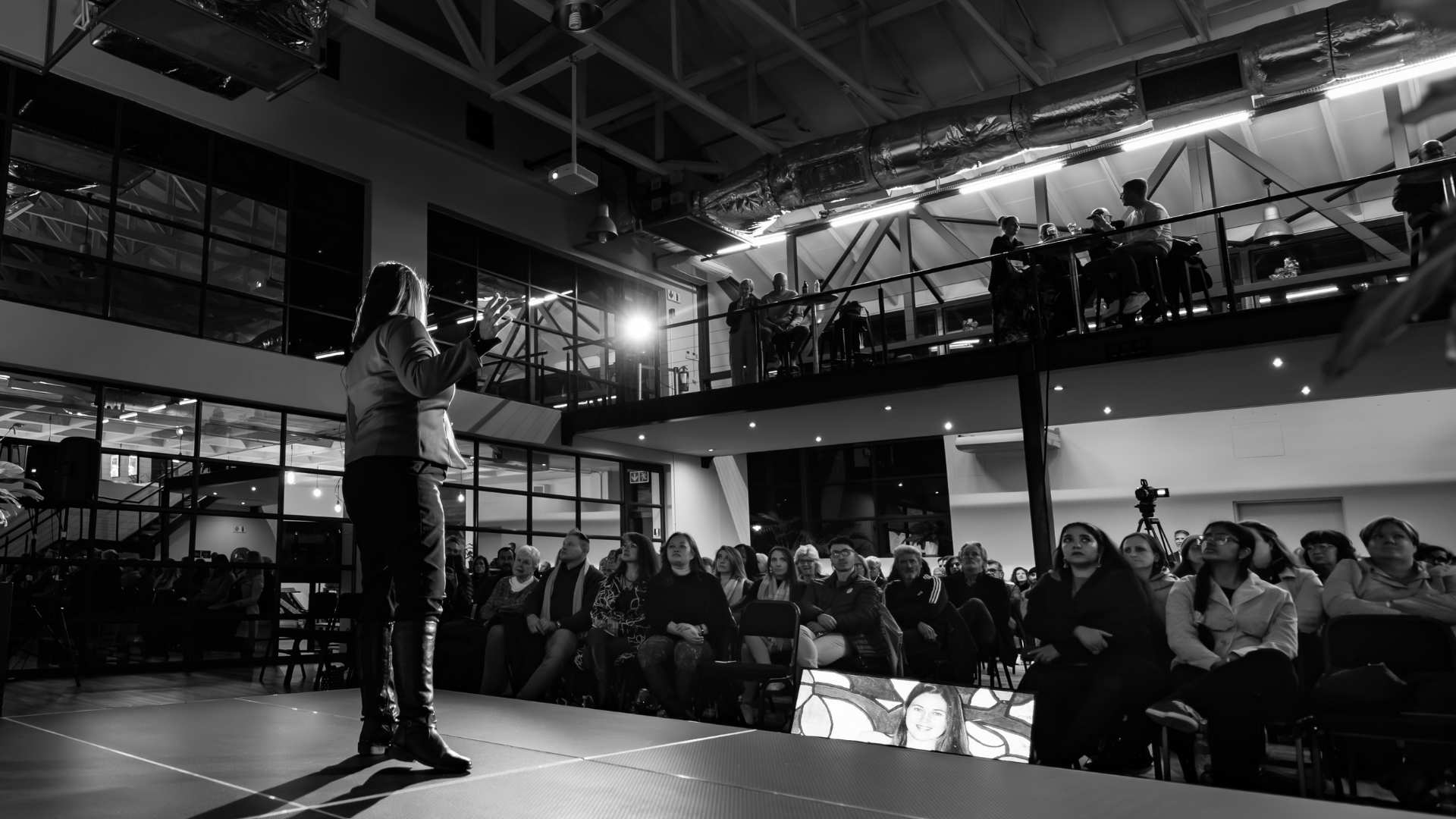
As a TEDx speaker, Kim Vermaak brings storytelling, emotional intelligence and lived experience into keynotes and workshops that help audiences see themselves and others differently.